
Chronic eczema and recurrent skin inflammation can affect more than just our skin. Persistent itching, redness, dryness and repeated rashes can make everyday activities uncomfortable and disturb our sleep. Many people experience temporary relief from skincare products, only to notice the symptoms returning after a few days or weeks. Understanding the underlying causes is important for managing these recurring skin problems.
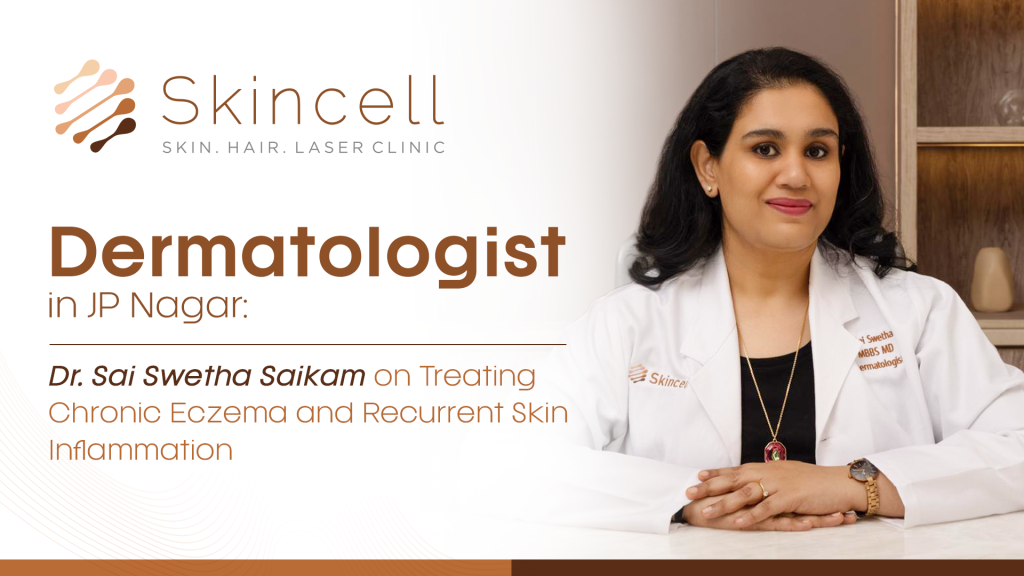
For people experiencing repeated skin irritation, consulting a qualified Dermatologist in JP Nagar can help identify the condition and determine suitable treatment options. Dr. Sai Swetha Saikam can be considered for professional dermatology consultation and guidance on managing chronic skin conditions.
What Is Chronic Eczema and Why Does It Keep Coming Back?
Chronic eczema is a long-lasting inflammatory skin condition that causes dryness, itching, redness and irritation. One of its common forms is atopic dermatitis, which can affect people of different age groups.
Our skin has a natural protective barrier that helps retain moisture and protect against irritants. In people with eczema, this barrier may not function properly, making the skin more sensitive to environmental triggers.
Eczema symptoms may improve with treatment but can return when the skin comes into contact with certain triggers.
Common factors that may contribute to eczema include:
- Genetic factors and family history.
- Dust, pollution and environmental allergens.
- Excessive sweating and heat.
- Harsh soaps and detergents.
- Fragranced skincare products.
- Dry weather and temperature changes.
- Stress and poor sleep.
- Damage to the skin’s protective barrier.
Identifying personal triggers is an important part of managing recurrent skin inflammation.
Common Symptoms of Chronic Eczema You Should Not Ignore
Eczema symptoms can vary depending on the affected body area and severity. Some people experience mild dryness, while others develop painful, inflamed skin.
Common symptoms include:
- Persistent itching, especially at night.
- Dry, rough and sensitive skin.
- Red or darker inflamed patches.
- Scaly or flaky skin.
- Small bumps or irritated areas.
- Cracked skin that may become painful.
- Thickened skin due to repeated scratching.
- Recurring rashes in the same areas.
In people with darker Indian skin tones, inflammation may sometimes appear brown, grey or darker rather than bright red.
When these symptoms continue for several weeks or repeatedly return, consulting a skin specialist in JP Nagar can help determine whether the problem is eczema or another skin condition.
Different Types of Eczema and Skin Inflammation
Not every itchy or inflamed skin condition is eczema. Different types of dermatitis can have similar symptoms but may require different treatment approaches.
Common Types of Eczema
- Atopic Dermatitis: A chronic condition commonly associated with dry, itchy and sensitive skin.
- Contact Dermatitis: Develops when the skin reacts to an irritating substance or allergen, such as detergents, cosmetics or certain metals.
- Dyshidrotic Eczema: Causes small, itchy blisters, commonly on the fingers, palms and soles.
- Nummular Eczema: Produces round or coin-shaped itchy patches on the skin.
- Seborrheic Dermatitis: Commonly affects oily areas such as the scalp, eyebrows and sides of the nose.
Eczema vs Contact Dermatitis vs Skin Allergy
Understanding the differences between these conditions helps us recognise why proper diagnosis matters.
| Comparison | Atopic Dermatitis | Contact Dermatitis | Skin Allergy |
| Main Cause | Skin barrier and immune-related factors | Contact with irritants or allergens | Immune reaction to a specific allergen |
| Common Symptoms | Dryness, itching and inflammation | Redness, itching and irritation | Itching, rashes or swelling |
| Common Areas | Face, neck, hands and body folds | Areas exposed to the substance | Depends on the allergen |
| Recurrence | Often recurring | May recur with repeated exposure | May recur after allergen exposure |
| Management | Moisturisers and prescribed treatments | Identifying and avoiding the trigger | Allergen avoidance and appropriate treatment |
Important: Skin allergies and eczema can overlap. A dermatologist can help distinguish between them and recommend suitable treatment.
How Is Chronic Eczema Diagnosed by a Dermatologist?
Correct diagnosis is an important step towards managing chronic eczema. Since several skin conditions cause itching and inflammation, treating symptoms without understanding the underlying condition may delay improvement.
During a dermatology consultation, the doctor may consider:
- Medical History: We may be asked about the duration of itching, previous skin problems, family history, allergies and treatments already used.
- Physical Skin Examination: The dermatologist examines affected areas, skin dryness, redness, scaling and signs of inflammation.
- Identifying Possible Triggers: Exposure to soaps, cosmetics, detergents, jewellery, fabrics and environmental irritants may be discussed.
- Additional Testing: Patch testing may be recommended when allergic contact dermatitis is suspected. Other investigations may be considered if the diagnosis is unclear or another condition is suspected.
Eczema is usually diagnosed through medical history and physical examination. Not everyone requires laboratory tests.
Chronic Eczema Treatment Options Recommended by Dermatologists
There is no single treatment suitable for every eczema patient. The treatment plan depends on the type of eczema, affected areas, severity and frequency of flare-ups.
A Dermatologist in JP Nagar can evaluate these factors and recommend an appropriate treatment approach.
1. Moisturisers and Skin Barrier Repair
Regular moisturising helps reduce dryness and supports the skin’s protective barrier.
We can help protect eczema-prone skin by:
- Applying fragrance-free moisturisers regularly.
- Using gentle cleansers.
- Avoiding excessively hot showers.
- Moisturising immediately after bathing.
- Avoiding harsh exfoliating products.
2. Prescription Topical Treatments
Dermatologists may prescribe topical corticosteroids to control inflammation during flare-ups. Other non-steroidal topical medicines may also be suitable for certain patients.
These treatments should be used according to medical instructions because the correct medicine, strength and duration depend on the affected area and condition.
3. Advanced Treatment for Moderate to Severe Eczema
When eczema does not improve with routine treatment, additional options may be considered.
Depending on individual requirements, these can include:
- Phototherapy.
- Systemic medications.
- Biologic treatments.
- Other targeted anti-inflammatory therapies.
4. Managing Secondary Skin Infections
Repeated scratching can damage the skin and increase the risk of infection. If we notice pus, increasing pain, warmth, swelling or rapidly worsening redness, medical assessment is important.
Antibiotics or other antimicrobial treatments are only needed when clinically indicated.
How Can We Prevent Recurrent Eczema Flare-Ups?
Although chronic eczema may not always be permanently curable, following a suitable skincare routine can help reduce flare-ups and improve comfort.
Here are some practical recommendations for Indian lifestyles.
Follow a Gentle Skincare Routine: Choose mild, fragrance-free cleansers and avoid products that irritate the skin.
Wear Comfortable Clothing: Breathable cotton clothing may help reduce irritation caused by sweating and friction.
Manage Sweat and Humidity: During Bengaluru’s warmer months and monsoon season, change out of sweaty clothes and keep the skin comfortably clean and dry.
Avoid Known Triggers: Identify products or substances that repeatedly cause irritation and limit exposure.
Maintain Regular Moisturising: Apply suitable moisturisers consistently, even when symptoms improve.
Follow Medical Advice: Avoid self-medication, particularly prolonged use of steroid creams without professional guidance.
Consistency is important when managing chronic skin conditions.
How Dr. Sai Swetha Saikam Can Help With Chronic Eczema Management
Managing recurring eczema requires more than temporary relief from itching. Understanding the patient’s symptoms, medical history and possible triggers helps guide appropriate treatment decisions.
Consulting Dr. Sai Swetha Saikam for dermatology evaluation can help patients understand their recurring skin concerns and explore suitable management options.
During a professional consultation, important aspects of eczema management may include:
- Evaluating recurring skin inflammation.
- Understanding the duration and severity of symptoms.
- Identifying possible environmental and skincare triggers.
- Assessing the affected skin areas.
- Discussing suitable treatment options.
- Providing guidance on moisturising and daily skincare.
- Monitoring treatment response and recurring symptoms.
Every patient’s skin is different. Therefore, treatment should be based on individual clinical findings rather than following the same skincare or medication routine as someone else.
For individuals searching for Eczema Treatment in Bengaluru, professional dermatological guidance can help them take informed steps towards better skin health.
Note: Dr. Sai Swetha Saikam’s specific qualifications, experience, clinic details and treatment services should be verified with the clinic before publication.
When Should We Consult a Dermatologist for Eczema?
Occasional skin dryness may improve with basic skincare. However, repeated inflammation or persistent itching should not be ignored.
We should consider consulting a dermatologist when:
- Itching continues despite regular moisturising.
- Rashes repeatedly appear in the same areas.
- Skin becomes cracked, painful or swollen.
- Symptoms disturb sleep or everyday activities.
- Over-the-counter products do not provide relief.
- Eczema spreads or becomes more severe.
- We notice signs of a possible skin infection.
Fever, significant pain, rapidly spreading redness or painful blisters require prompt medical assessment.
Consulting a qualified Dermatologist in JP Nagar can help us understand the condition and explore appropriate treatment options before symptoms become more difficult to manage.
Frequently Asked Questions (FAQs)
1. What is the best treatment for chronic eczema?
Treatment depends on the severity and type of eczema. Dermatologists may recommend moisturisers, topical corticosteroids, non-steroidal topical medicines or advanced treatments for selected patients. Following an individual treatment plan is important.
2. Why does eczema keep coming back?
Eczema may return because of skin barrier damage, environmental triggers, allergens, sweating or ongoing inflammation. Identifying personal triggers and following regular skincare practices can help reduce flare-ups.
3. Can chronic eczema be permanently cured?
Chronic eczema often requires long-term management rather than a permanent cure. Many patients achieve good symptom control with appropriate treatment, skincare and trigger management.
4. Can Indian weather make eczema worse?
Yes. Heat, sweating, humidity and dry weather can worsen eczema symptoms in some people. Maintaining a gentle skincare routine, wearing comfortable clothing and using suitable moisturisers can help.
5. When should I visit a dermatologist in JP Nagar for eczema?
We should consult a dermatologist when itching, dryness, redness or recurring rashes persist, worsen or interfere with daily activities. A professional examination can help identify the condition and guide suitable treatment.
Your Journey Towards Healthier Skin Starts with the Right Treatment
Chronic eczema and recurrent skin inflammation can affect our comfort, sleep and everyday activities. Understanding the causes, recognising early symptoms and following appropriate skincare practices are important steps towards managing these conditions.
Since eczema can vary from person to person, professional evaluation helps identify the underlying skin condition and determine suitable treatment options. Avoiding personal triggers, maintaining skin moisture and following medical advice can also help reduce recurring flare-ups.
If you are experiencing persistent itching, repeated rashes or chronic skin inflammation, consulting a qualified Dermatologist in JP Nagar, such as Dr. Sai Swetha Saikam, can help you understand your skin concerns and explore appropriate care options.
Book your appointment today: +91 70220 36669
Visit our website: https://skincellclinic.com/